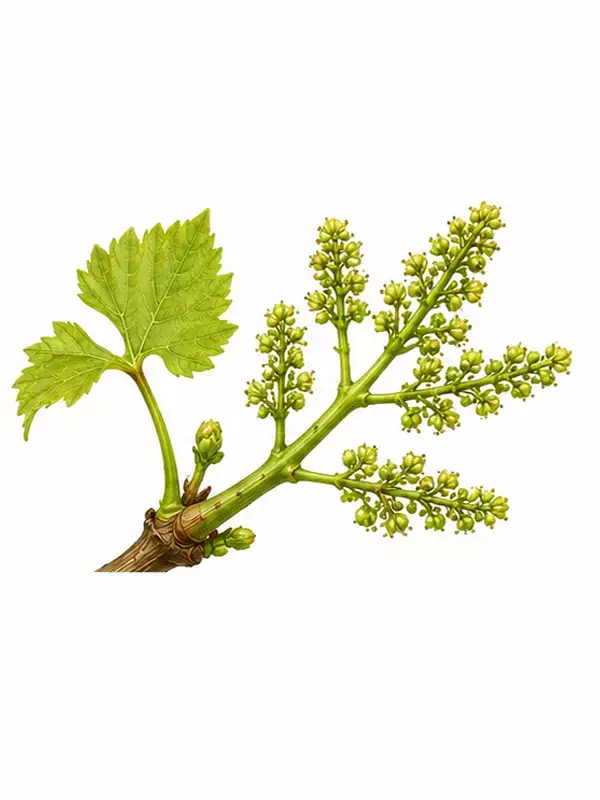
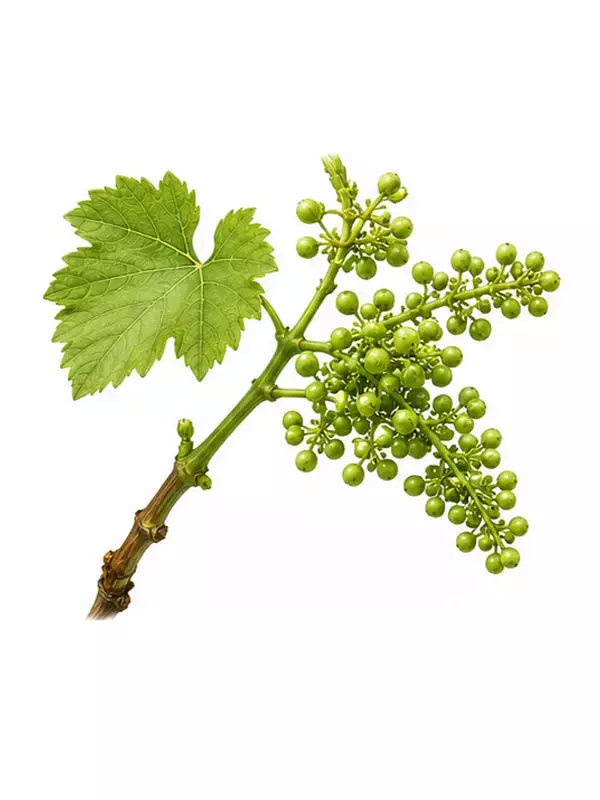
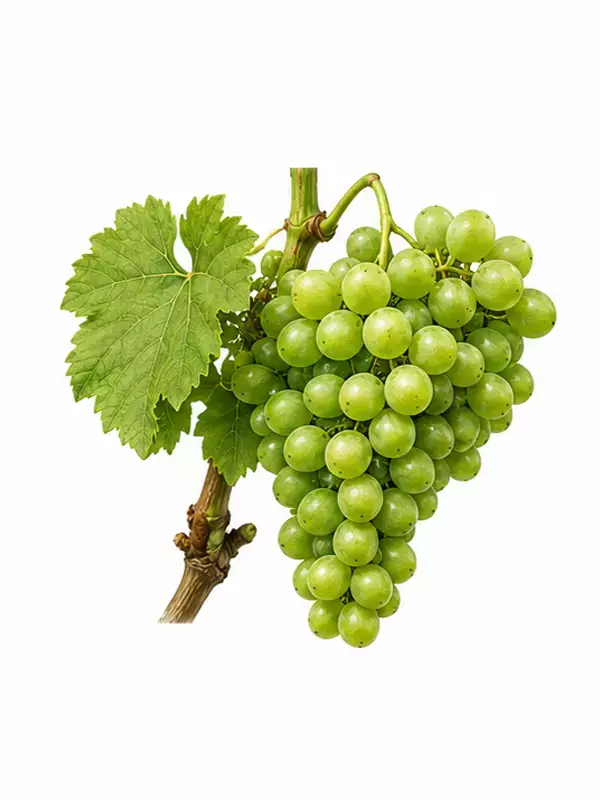
A practical nutrition guide for grape production from bud development through harvest. This program focuses on cluster formation, berry development, fruit quality and balanced vine growth under typical vineyard conditions.
Common Challenges
Zinc Deficiency
May reduce shoot growth, shorten internodes and limit cluster development.
Iron Deficiency
Common in calcareous soils and often associated with leaf chlorosis and reduced photosynthetic activity.
Poor Cluster Development
Insufficient nutrition during early growth stages may reduce flower formation, fruit set and cluster uniformity.
Small Berry Size
Potassium deficiency and nutritional imbalance may limit berry size and final fruit weight.
Key Growth Stages
These recommendations are intended as general guidance. Soil conditions, irrigation water quality, climate, cultivar and management practices may influence nutritional requirements.
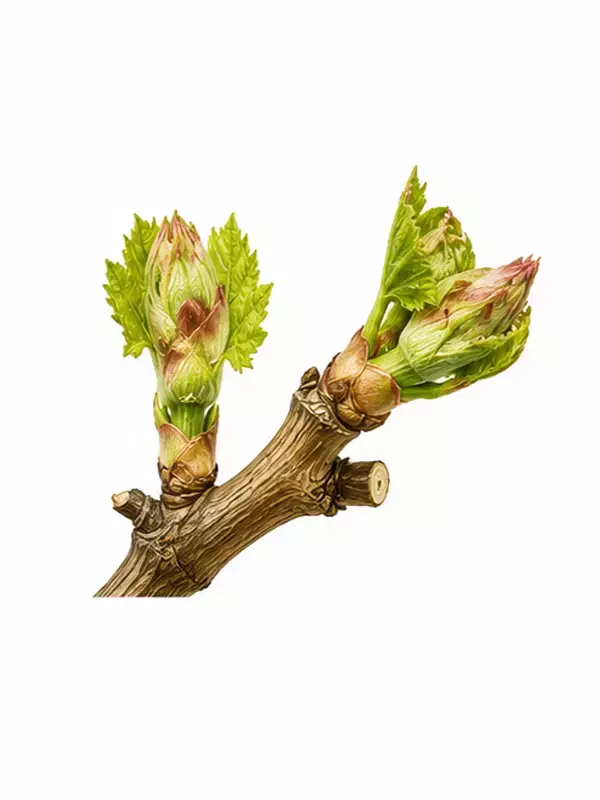
Bud Swell & Pre-Bloom Development
Why It Matters
This stage establishes the foundation for seasonal growth, cluster development and flowering potential. Nutrient deficiencies during this period may affect performance throughout the season.
Key Practices
Supply zinc and boron
Provide available phosphorus
Correct micronutrient deficiencies
Support early vine growth
Recommended Products
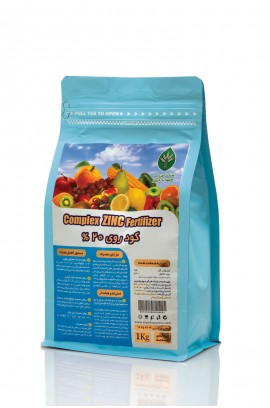
Zinc Complex 20%
930,000IRT
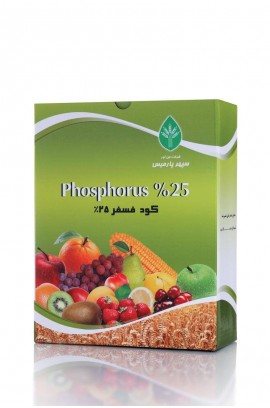
Phosphorus Complex 25%
980,000IRT
Super Micro 13 Powder Formula
950,000IRT
Fruit Set & Early Berry Development
Why It Matters
Following flowering, berry number and a significant portion of yield potential are determined during this stage.
Key Practices
Support fruit set
Supply essential micronutrients
Maintain balance between vegetative and reproductive growth
Reduce nutritional stress
Recommended Products
Enriched Iron Chelate 10%
990,000IRT
Iron Chelate 10%
920,000IRT
Liquid Amino Acid
900,000IRT
Berry Enlargement
Why It Matters
Most of the final cluster weight develops during this stage. Proper nutrition supports berry size, cluster uniformity and crop quality.
Key Practices
Supply adequate potassium
Maintain healthy photosynthetic activity
Provide sufficient magnesium
Support uniform berry development
Recommended Products
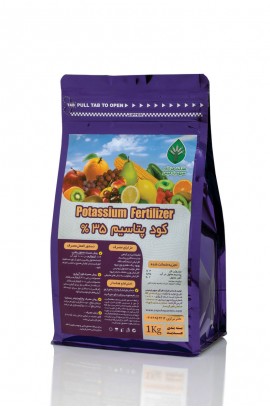
Potassium Complex 35%
800,000IRT
Magnesium Chelate 7%
760,000IRT
Super Micro 13 Liquid Formula
550,000IRT
Ripening & Pre-Harvest
Why It Matters
Fruit quality characteristics such as color, sugar accumulation, uniformity and marketability develop during the final stages before harvest.