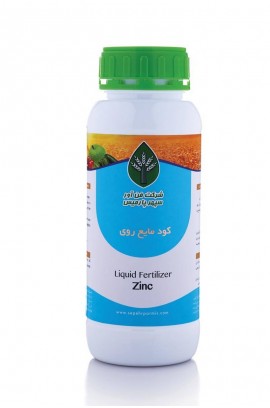
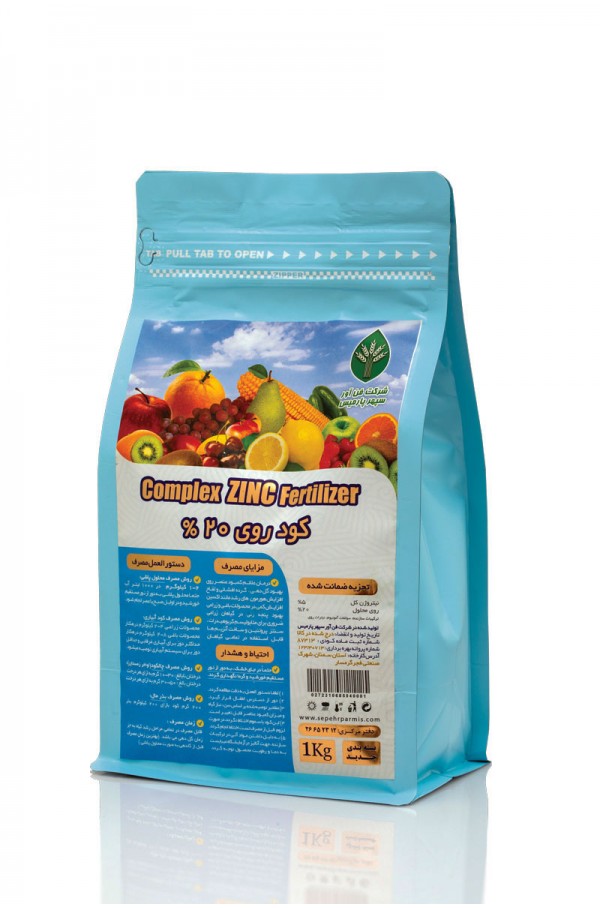
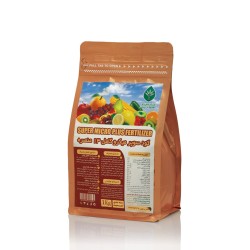
Zinc Complex 20% is a specialty zinc fertilizer developed for professional crop nutrition programs where zinc availability is a key factor in plant growth and productivity. The formulation combines a high concentration of zinc with organic carbon and organic matter, making it suitable for crops grown under conditions that commonly limit zinc uptake.
Zinc deficiency is one of the most widespread nutritional constraints in calcareous and alkaline soils. High soil pH, elevated calcium carbonate levels, and intensive phosphorus fertilization can all reduce zinc availability, even when zinc is present in the soil. Under these conditions, inadequate zinc nutrition may affect vegetative growth, bud development, flowering, pollination, seed formation, and overall crop performance.
Zinc Complex 20% contains both soluble and complexed zinc to support efficient zinc nutrition through foliar application and fertigation. The inclusion of organic carbon and organic matter further complements the formulation, making it suitable for integration into advanced nutrition programs throughout key growth stages.
The product is particularly useful during vegetative growth, bud formation, flowering, fertilization, and early reproductive development. It can be applied across a wide range of crops including pistachio, grapevine, citrus, apple, peach, apricot, wheat, barley, corn, canola, vegetables, greenhouse crops, and other zinc-responsive production systems.
Guaranteed Analysis
• Soluble Zinc (Zn): 20%
• Complexed Zinc (Zn): 12%
• Organic Carbon (OC): 5%
• Organic Matter (OM): 10%
Application Guide
In calcareous soils and nutrition programs with intensive phosphorus fertilization, regular zinc supplementation can help maintain nutritional balance and reduce the risk of hidden zinc deficiencies.
Foliar Application
1–2 kg per 1000 L of water
Fertigation
2–5 kg per hectare
Seed Treatment
200 g per 200 kg of seed
Recommended Timing
Before flowering and from the beginning of vegetative growth through bud formation and reproductive development. For cereal crops, applications during tillering and early growth stages are particularly beneficial.