

Results & Field Experiences
Examples from Different Growing Conditions
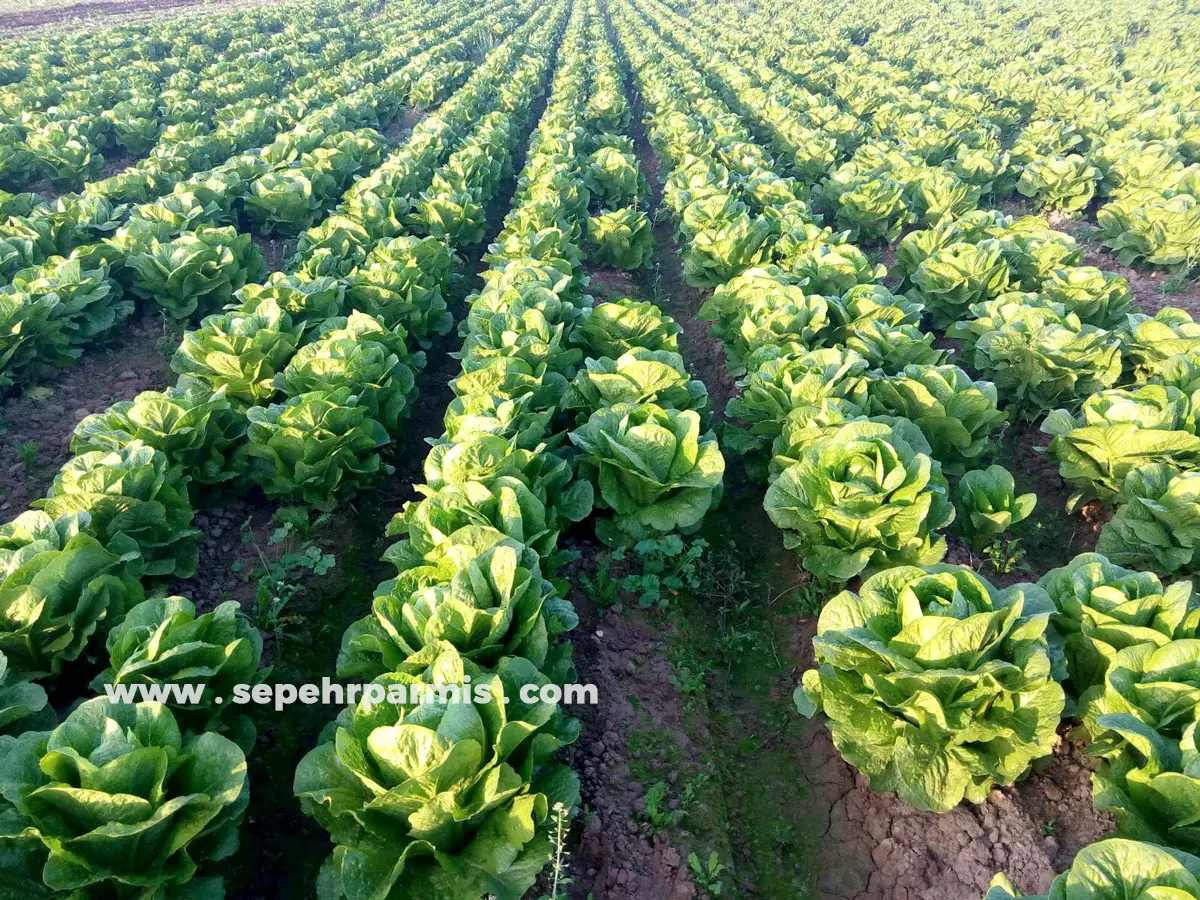
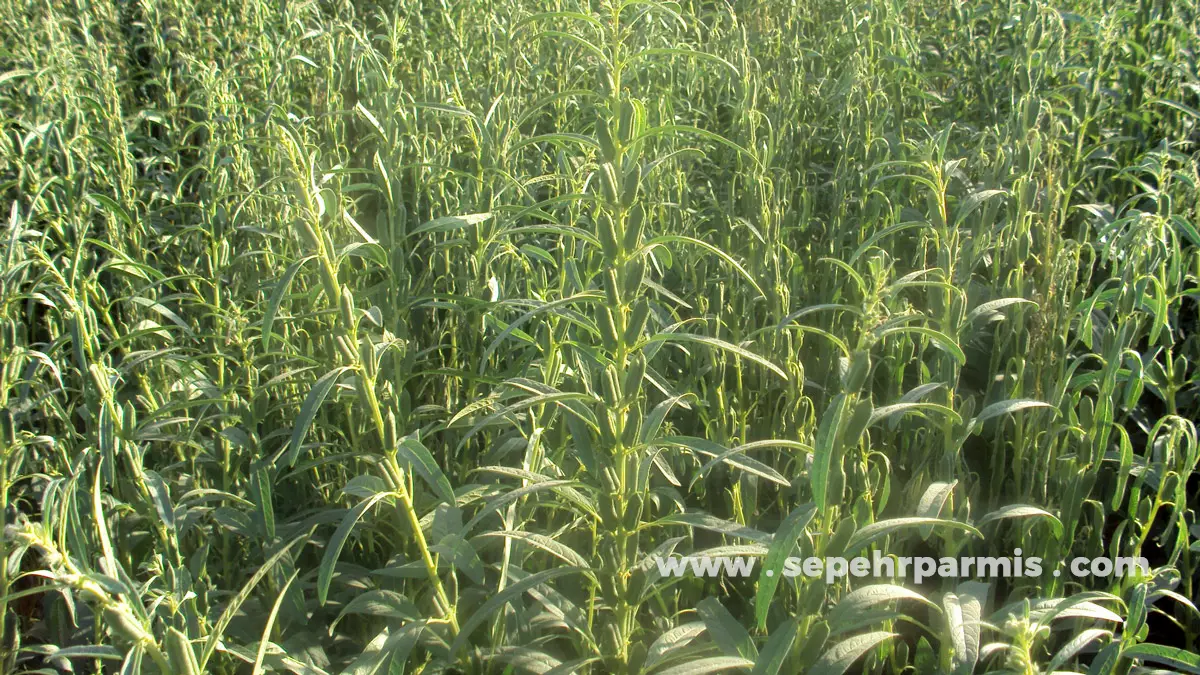
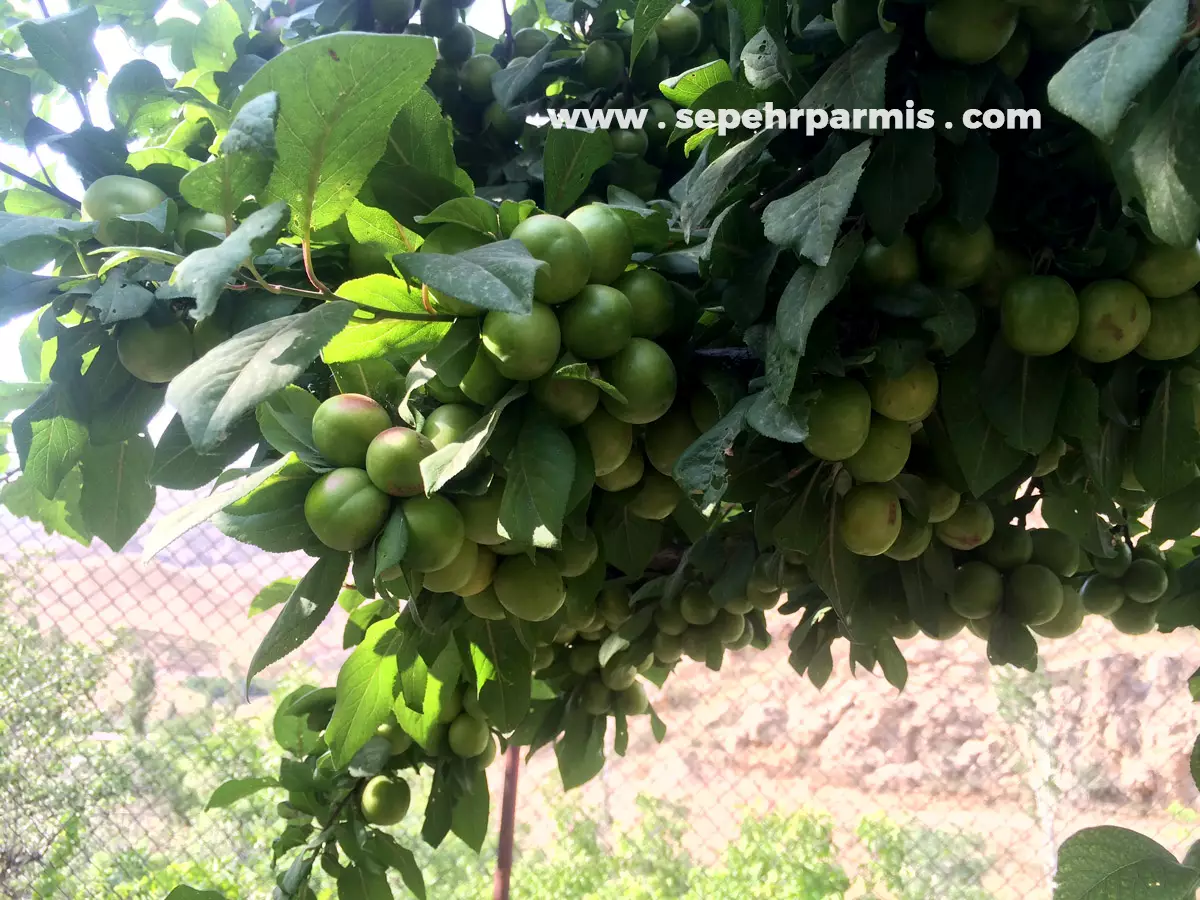
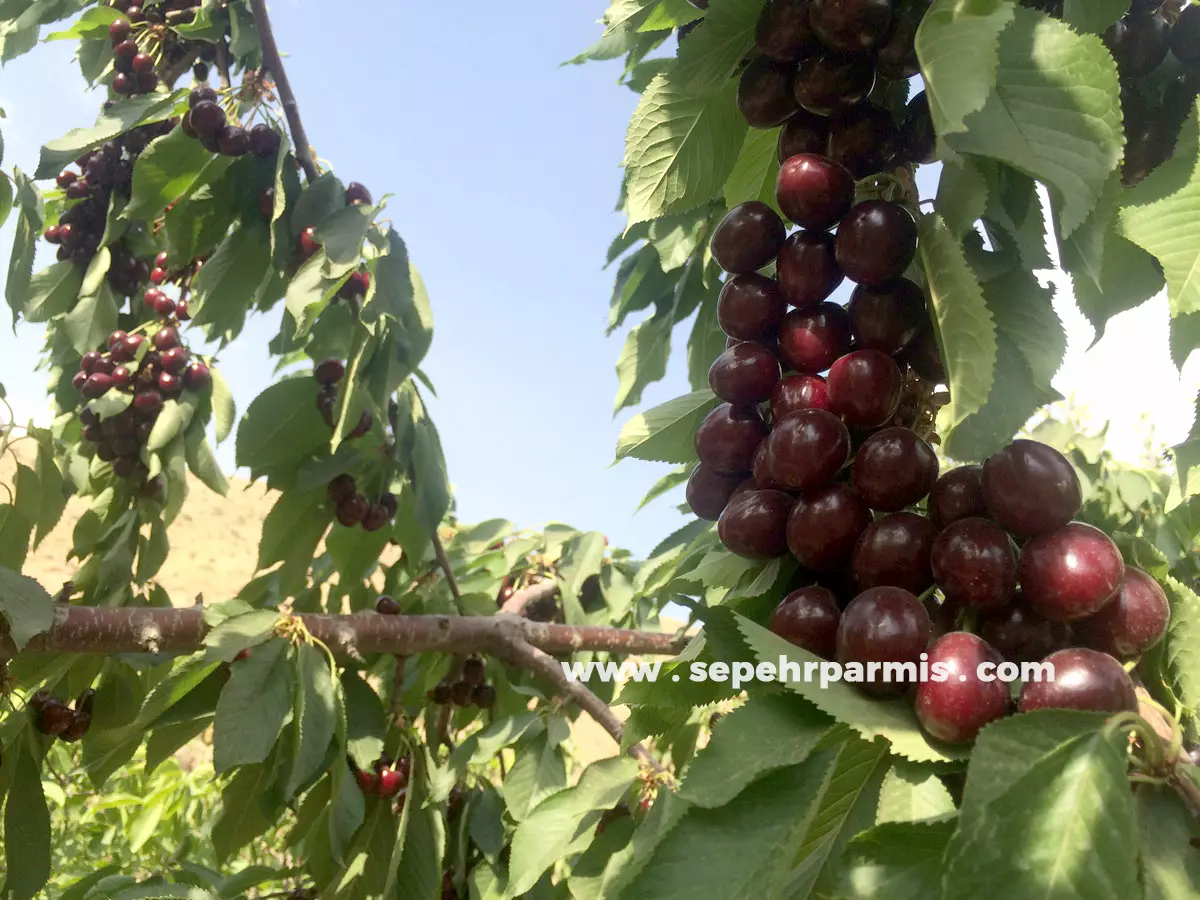
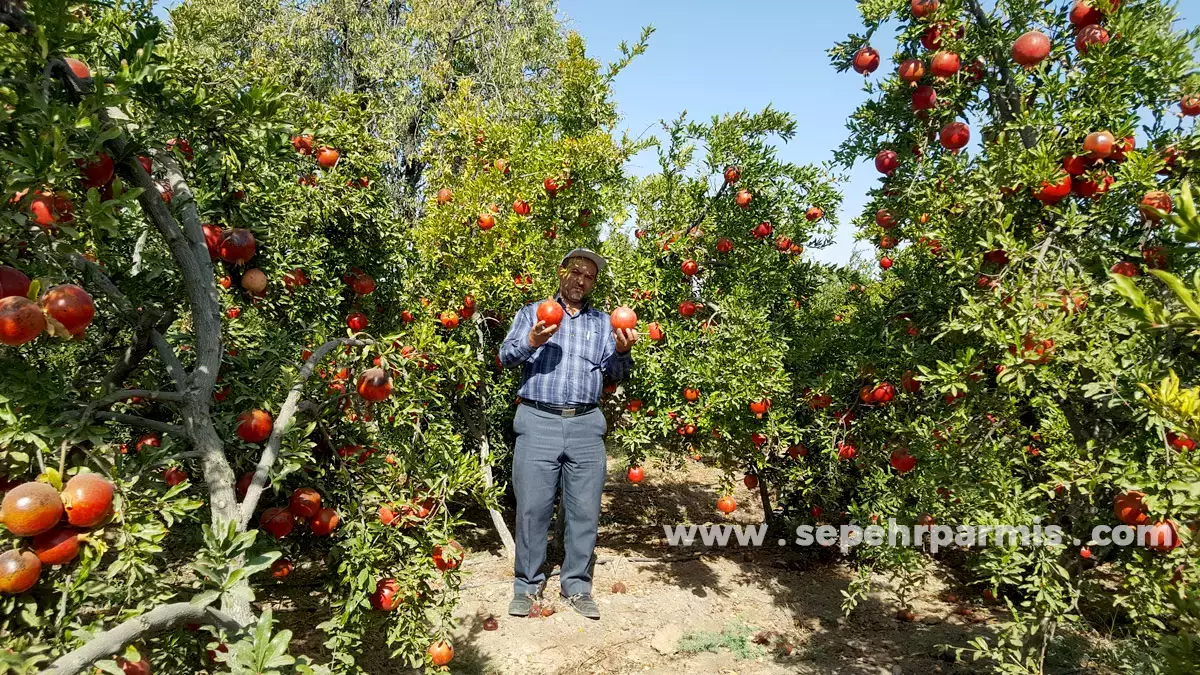
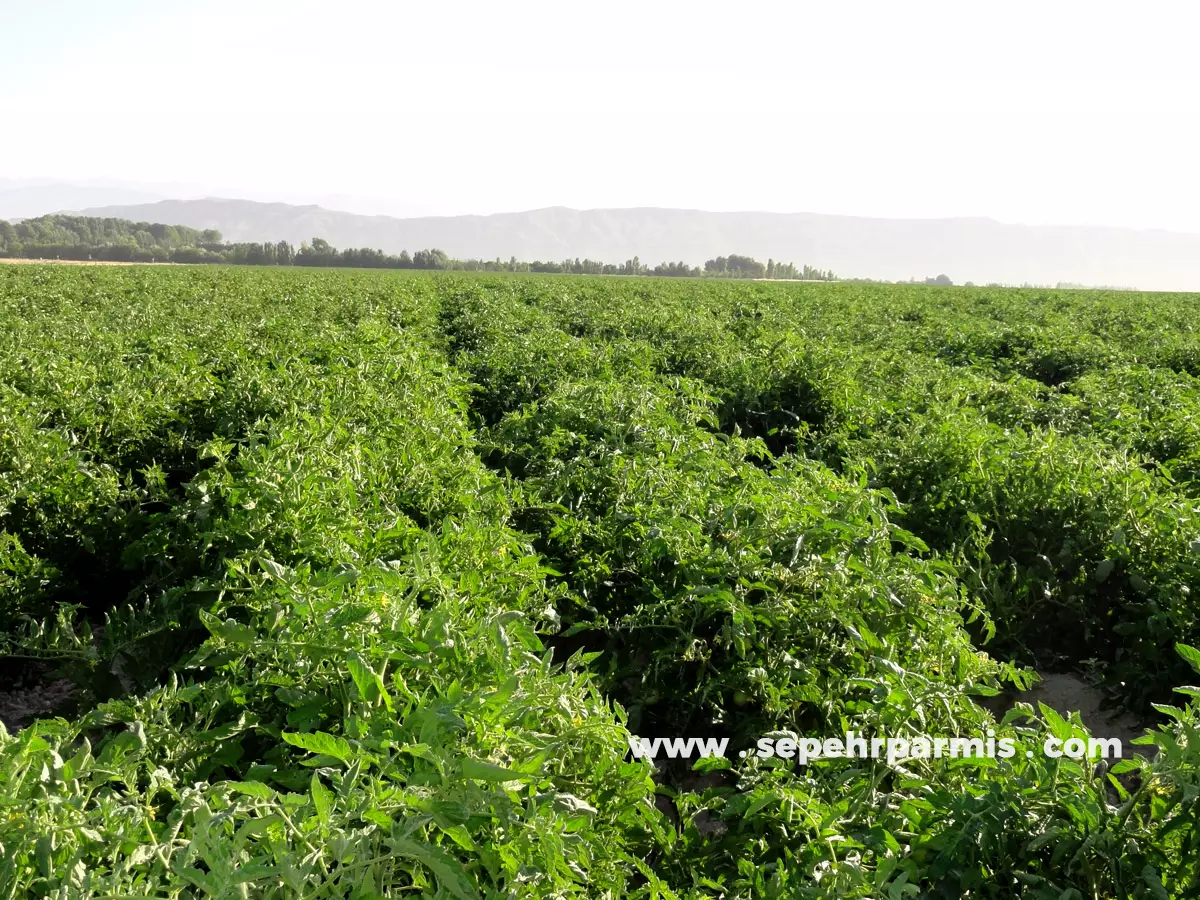
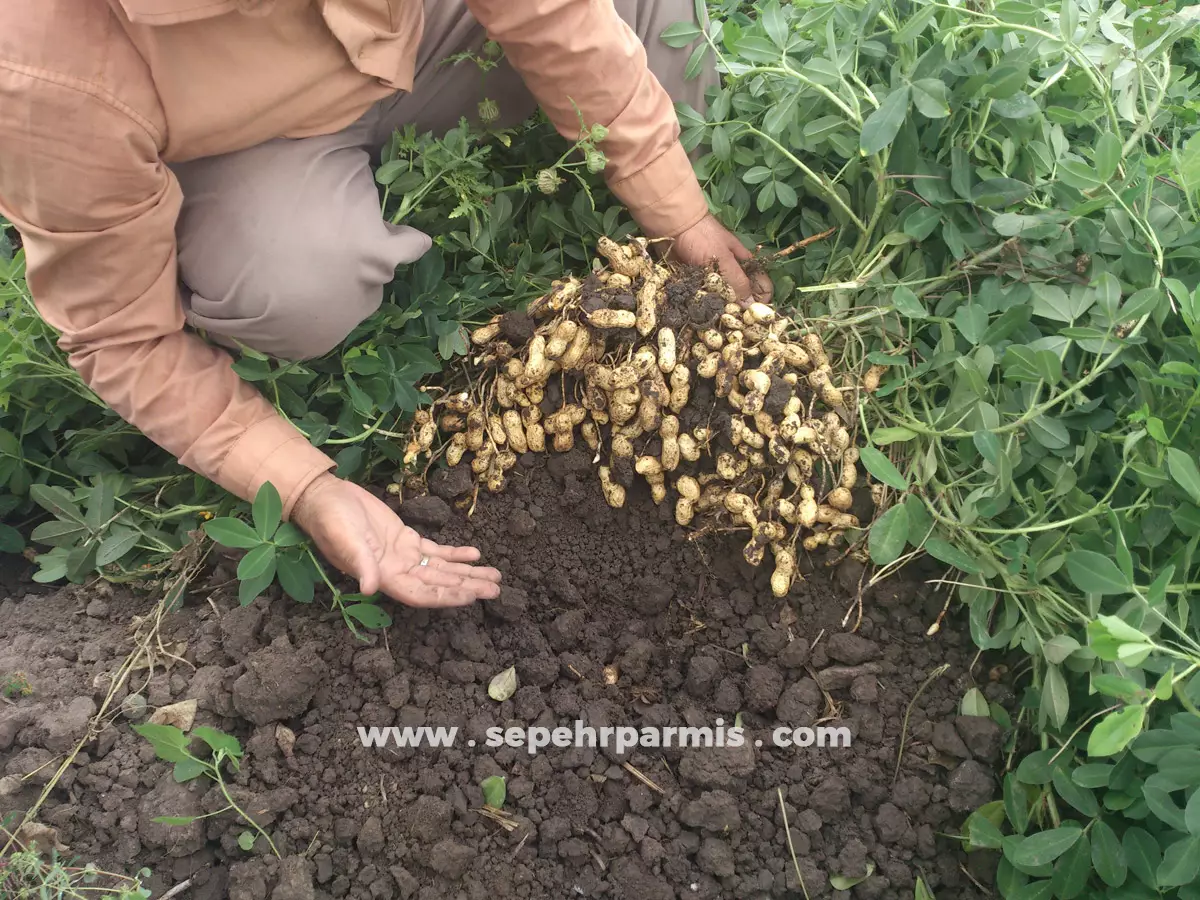
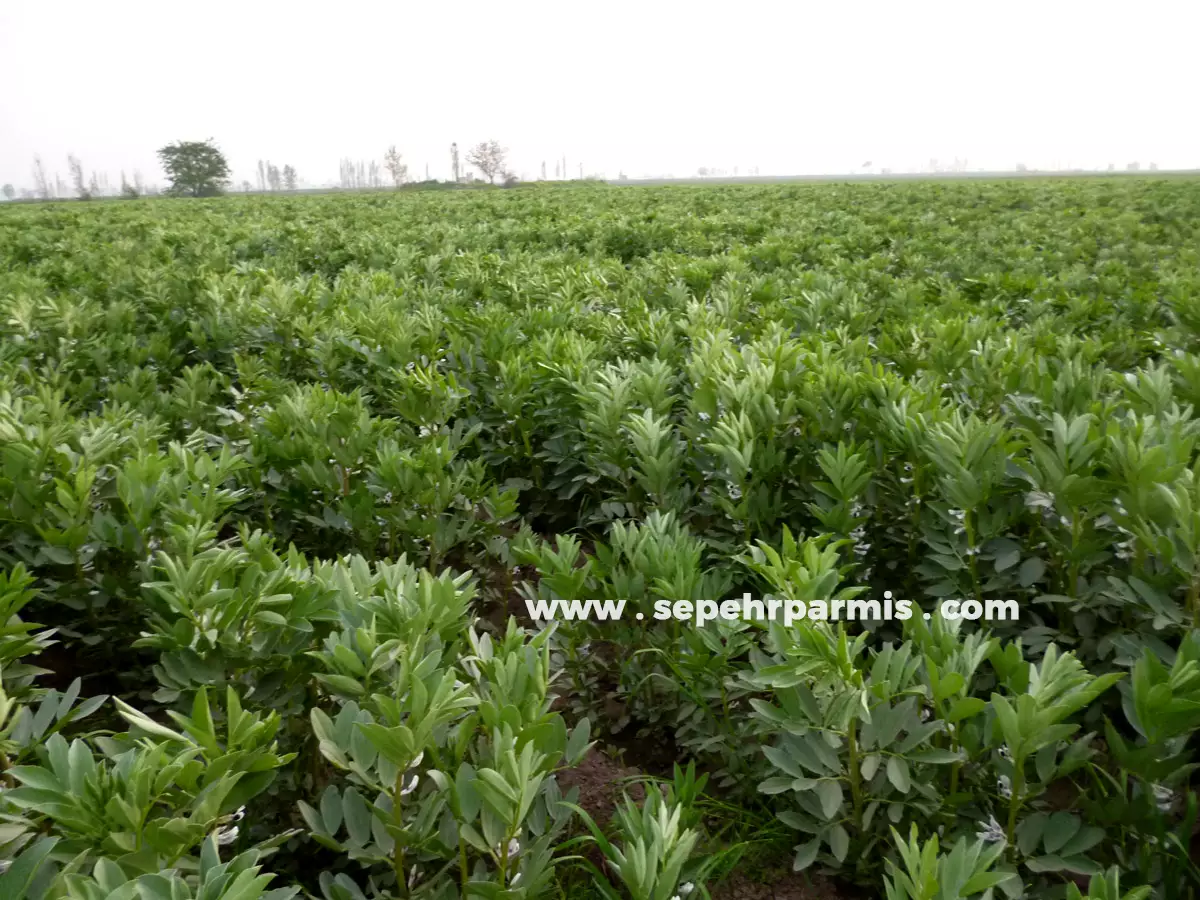
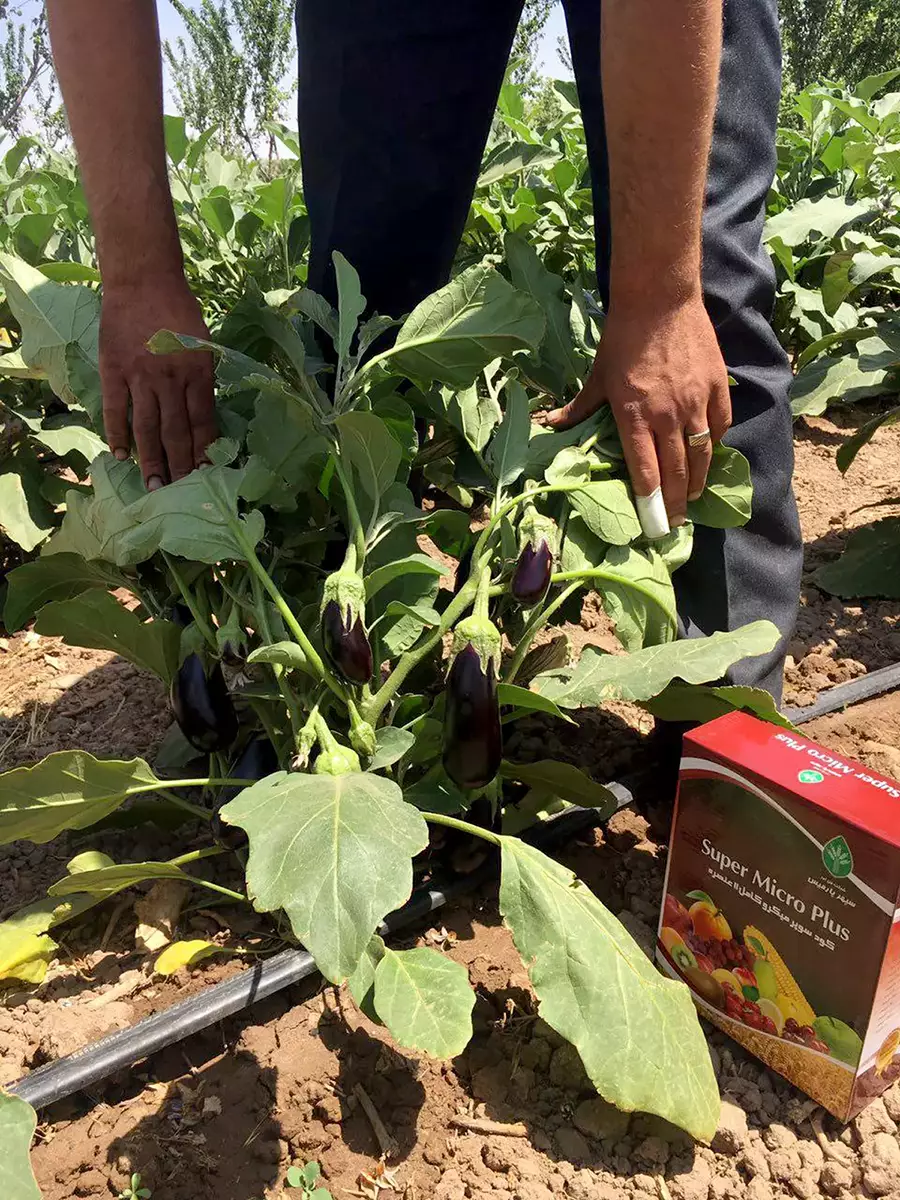
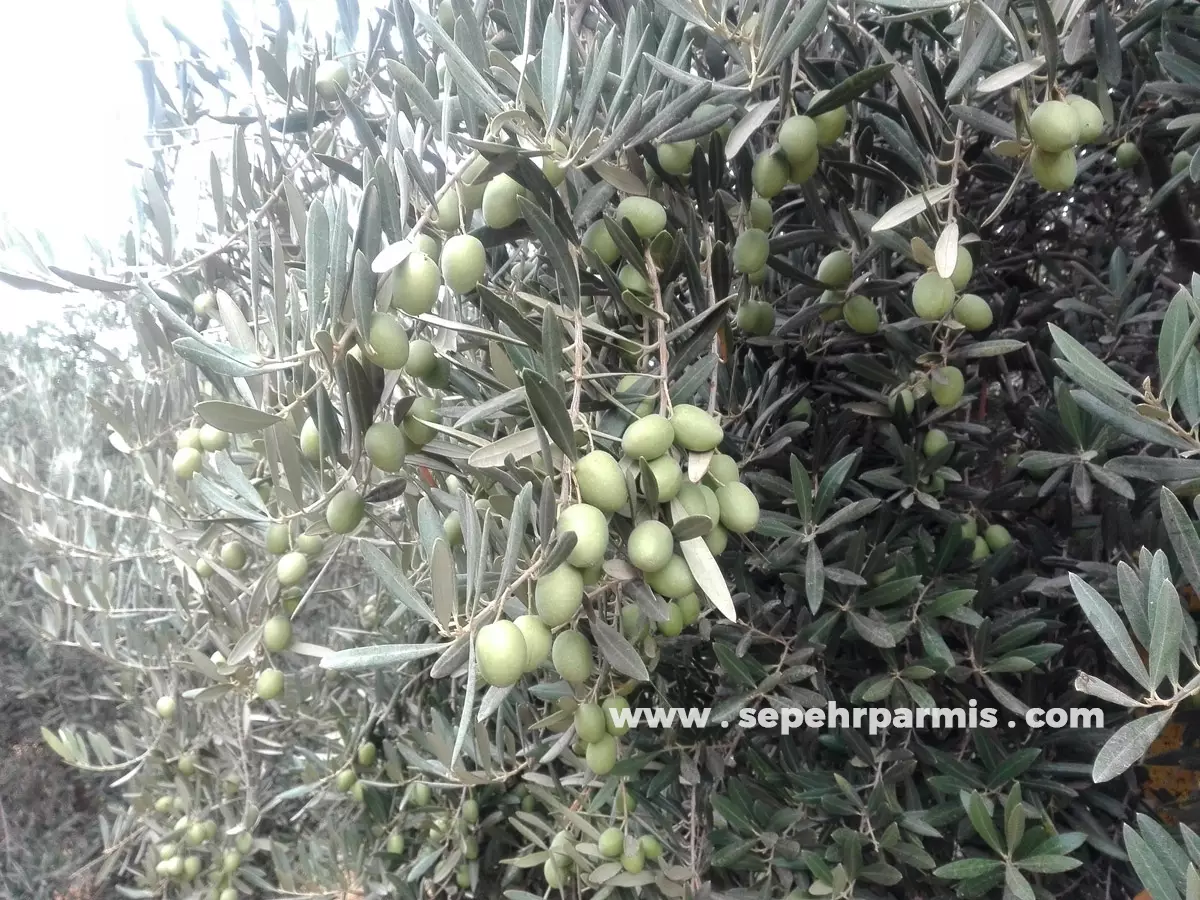
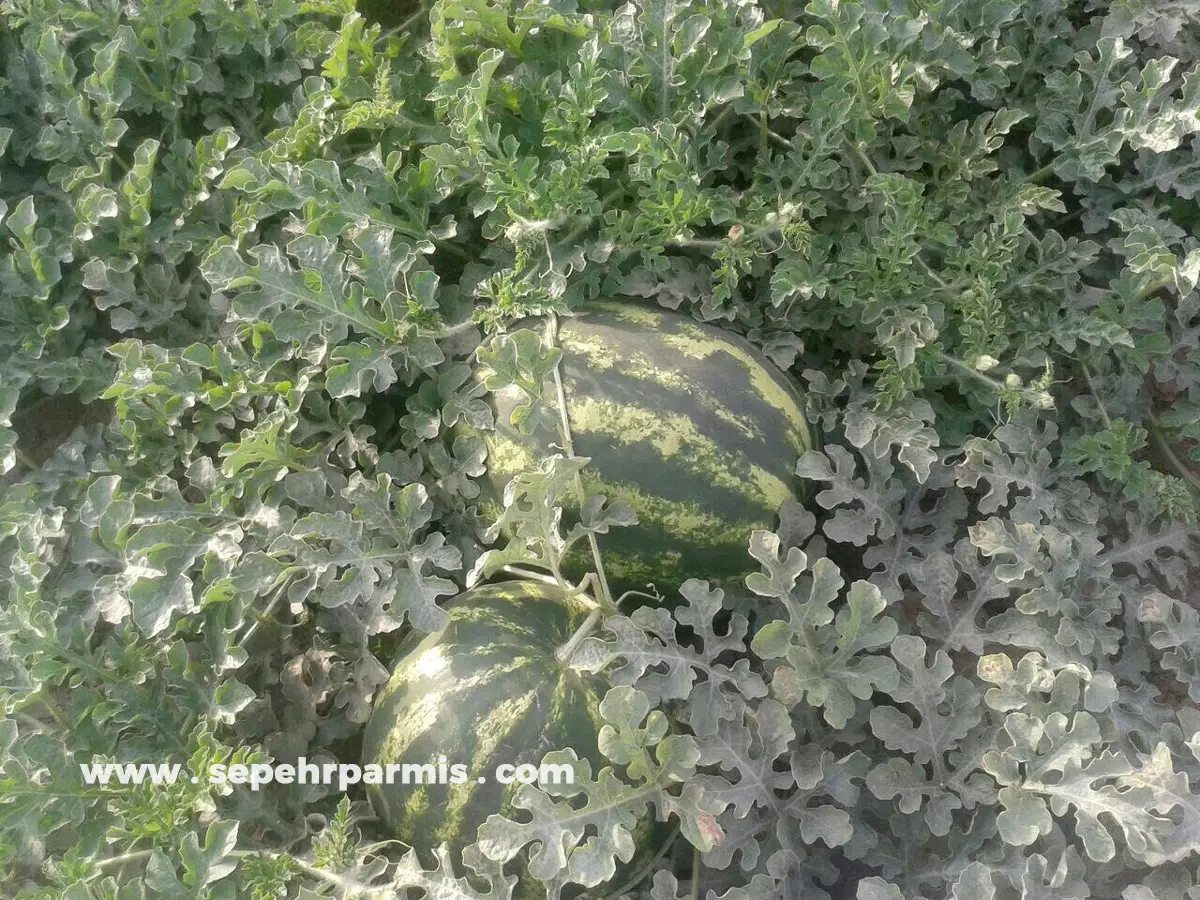
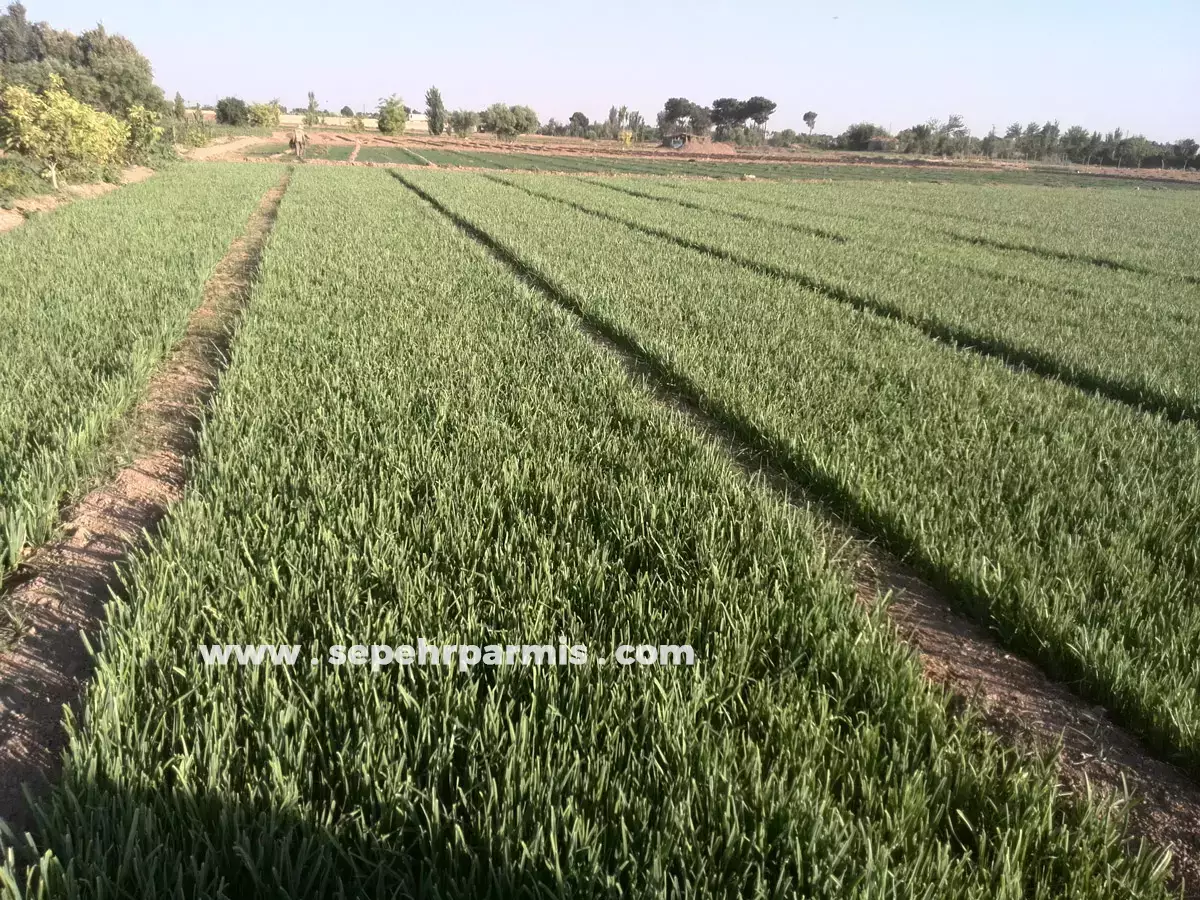
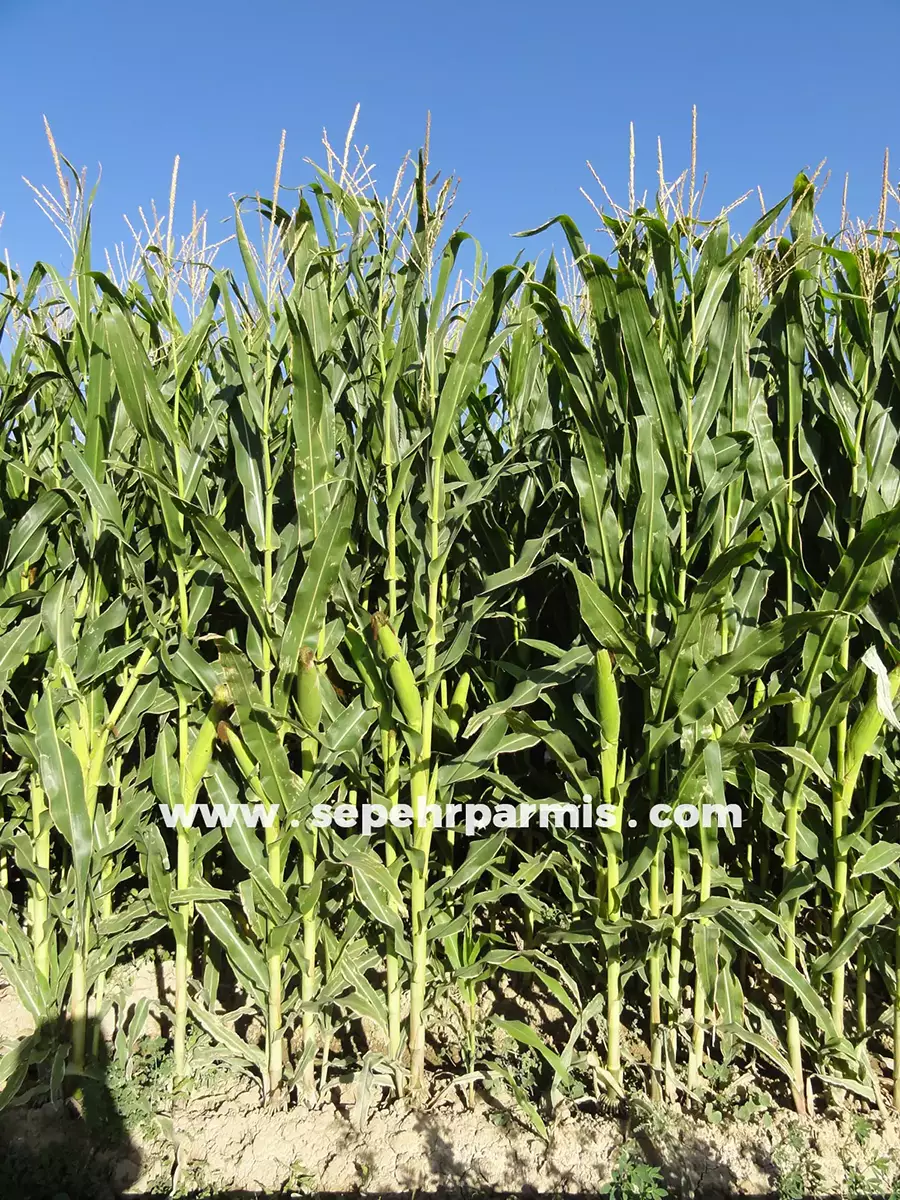
Sepehr Parmis products have been used across a range of orchard, field crop and greenhouse production systems. The examples presented here reflect observations from different crops, growing conditions and management practices.
How Should Results Be Evaluated?
Crop response depends on many factors, including soil conditions, irrigation water quality, climate, crop variety and overall management practices.
Successful nutrition programs should be evaluated based on plant health, crop quality, consistency and overall performance rather than a single observation.
Plant Establishment
Healthy root development, successful establishment and balanced vegetative growth are often among the first indicators of adequate nutrition.
Flowering & Fruit Set
Improved flowering, reduced flower drop and successful fruit development may indicate balanced nutrient availability.
Crop Quality
Size, uniformity, color and market quality are important indicators when evaluating crop performance.
Overall Performance
Yield improvements are most valuable when accompanied by consistent crop quality and effective crop management.
Featured Videos
Examples of crop observations, field experiences and practical applications under different growing conditions.
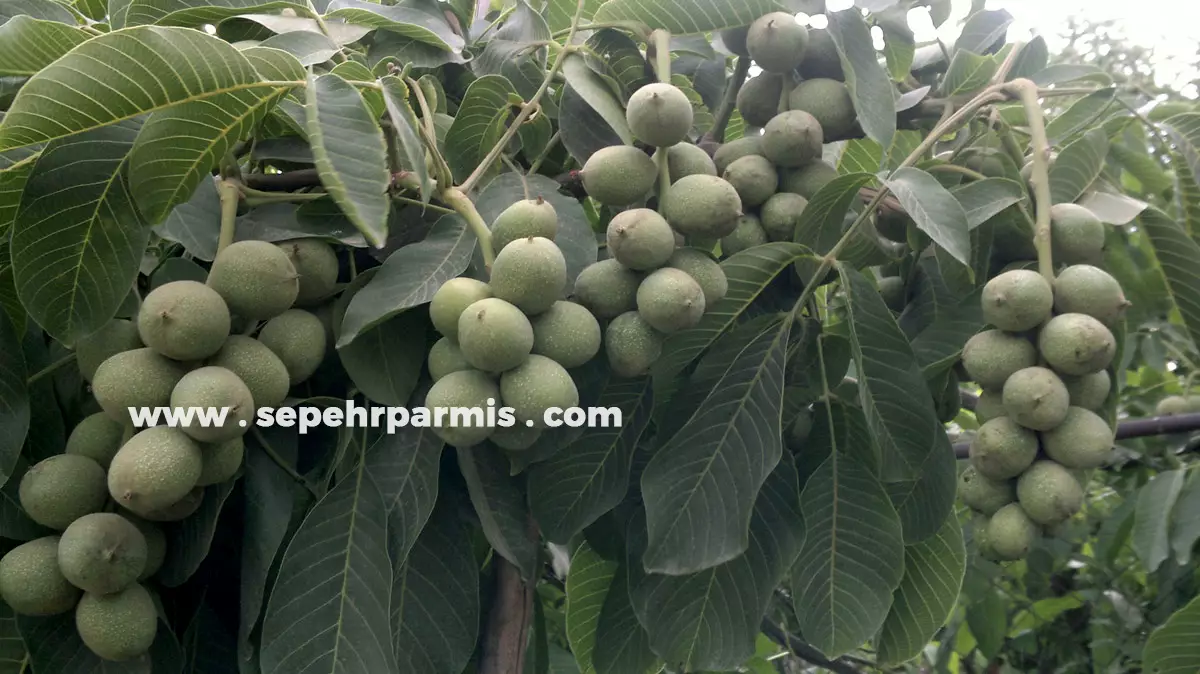
Walnut Orchards
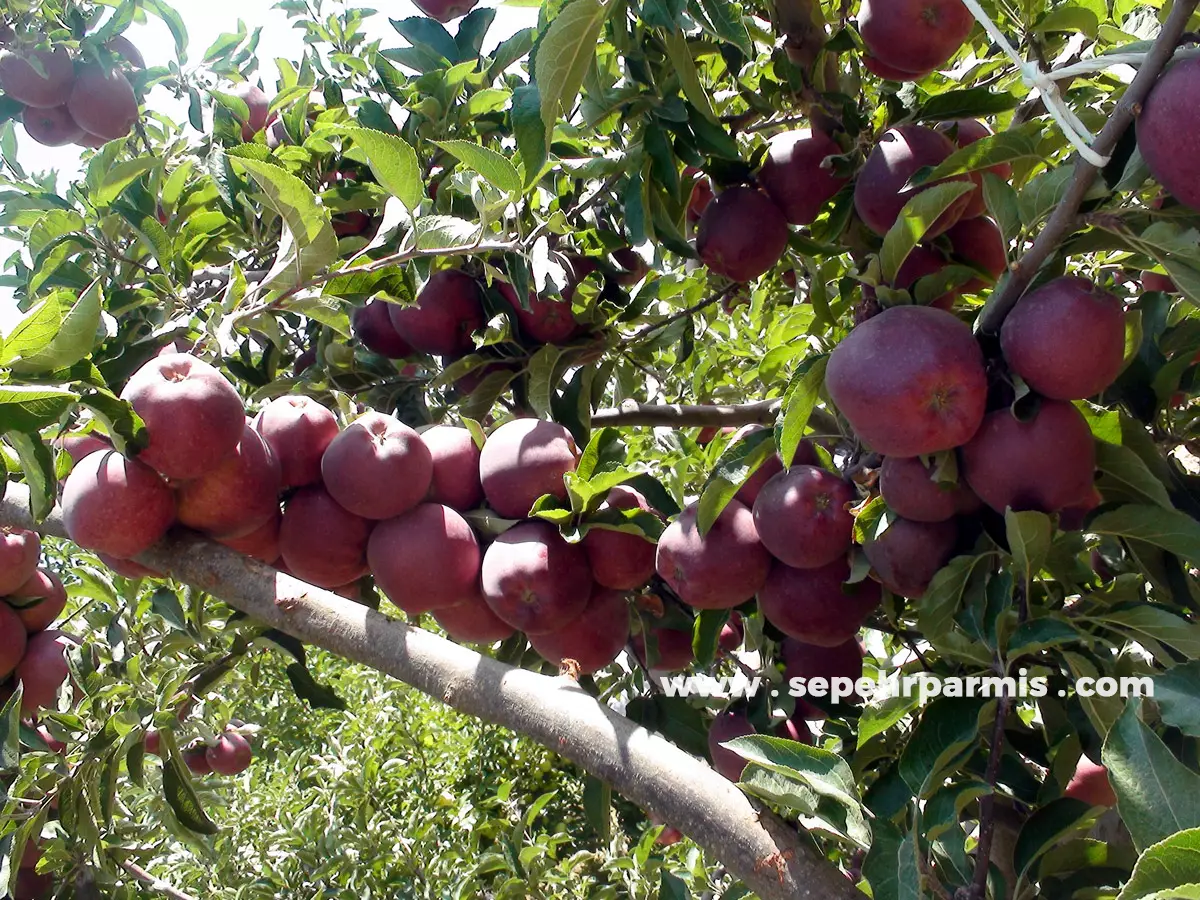
Apple Orchards
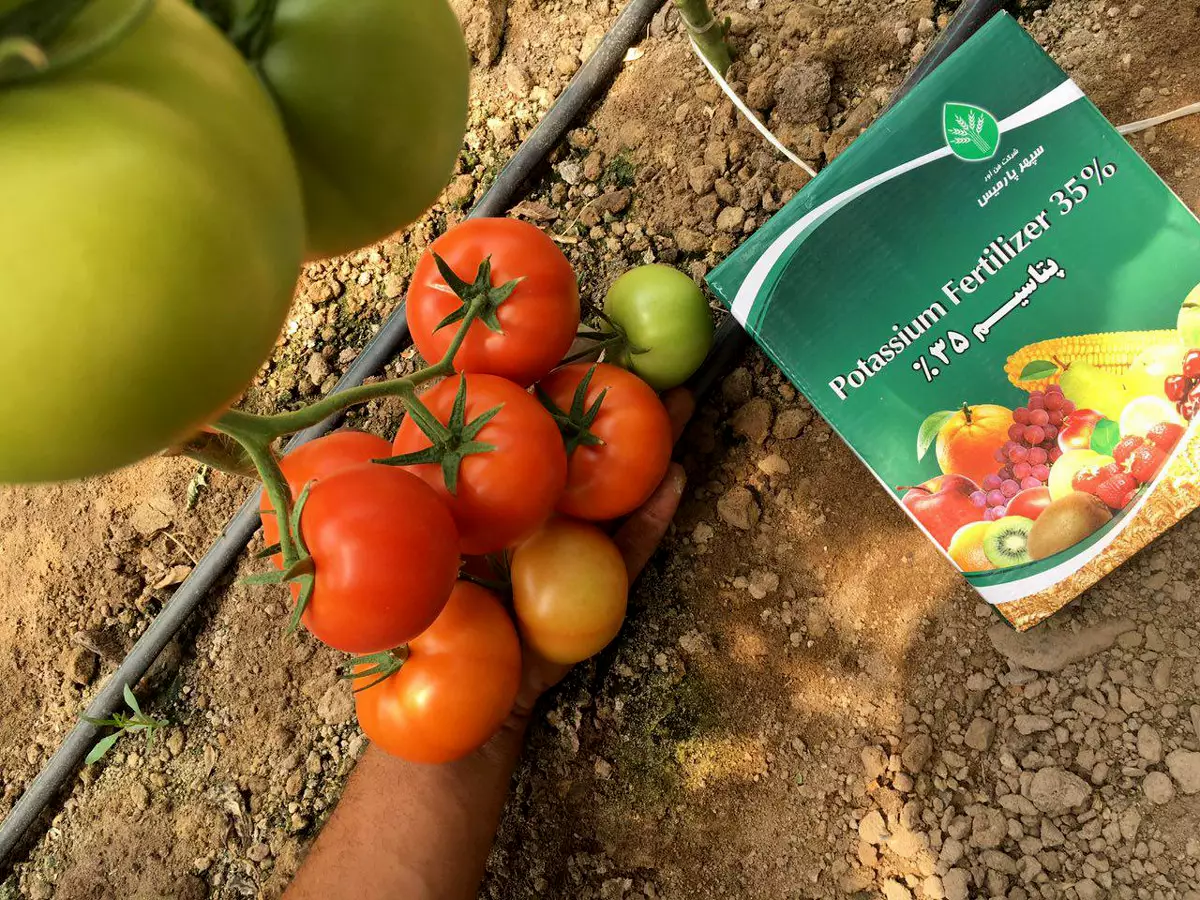
Tomato
Alfalfa
More Resources for Learning and Exploration
Explore scientific studies, research findings and real-world field experiences related to Sepehr Parmis plant nutrition products through the following resources.

Research & Scientific Evidence
University studies, scientific papers and research findings related to plant nutrition and Sepehr Parmis products.

Videos & Field Experiences
Real-world examples, field observations and selected videos from orchards, farms and greenhouse cultivation.


