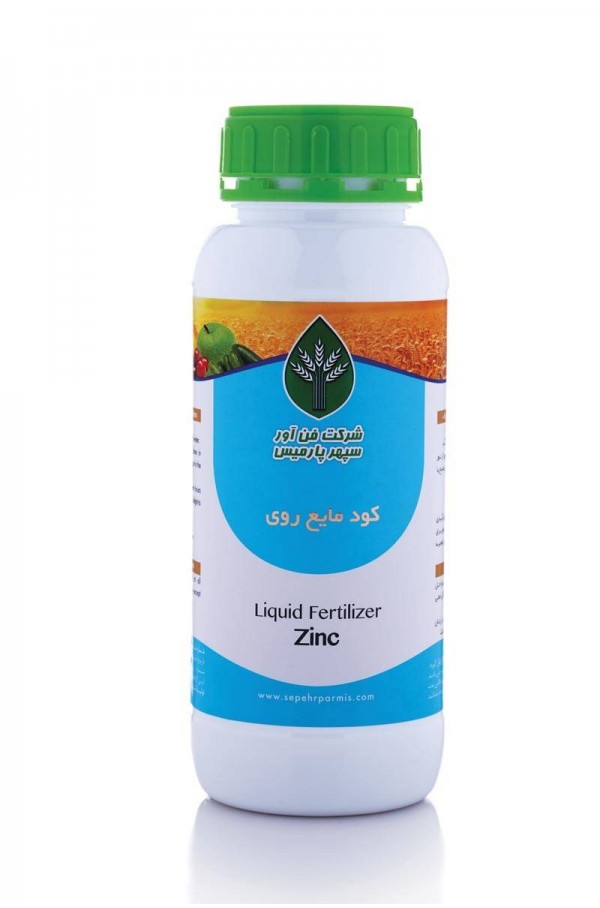
Liquid Zinc 10% is developed to provide a practical and flexible source of zinc for modern crop nutrition programs. The product combines soluble zinc with nitrogen in a liquid formulation suitable for foliar application, fertigation, and seed treatment, allowing growers to supply zinc at different stages of crop development.
Zinc is one of the most important micronutrients involved in plant growth and development. It contributes to enzyme activity, protein synthesis, carbohydrate metabolism, hormonal regulation, tillering, bud formation, flowering, fertilization, and seed development. In many agricultural regions, particularly in calcareous and alkaline soils, zinc availability is often limited despite the presence of zinc in the soil. High phosphorus fertilization can further reduce zinc uptake and increase the risk of deficiency.
Liquid Zinc 10% is designed to address these challenges through a formulation that can be integrated into stage-based nutrition programs. Its liquid form provides ease of application and allows zinc supplementation during key growth periods. The combination of zinc and nitrogen makes the product suitable for supporting vegetative development, tillering, reproductive growth, and overall crop performance throughout the season.
The product is suitable for pistachio, grapevine, citrus, apple, peach, apricot, wheat, barley, maize, canola, vegetable crops, greenhouse production systems, and many other crops where zinc nutrition is an important part of crop management.
Guaranteed Analysis
• Total Nitrogen (N): 5% w/w
• Soluble Zinc (Zn): 10% w/w
Application Guide
In calcareous soils and nutrition programs with intensive phosphorus fertilization, regular zinc supplementation may help maintain adequate zinc availability and reduce the risk of hidden zinc deficiencies.
Foliar Application
1–3 L per 1000 L of water
Fertigation
3–8 L per hectare
Seed Treatment
0.5–1 L per 200 kg of seed
Recommended Timing
From the beginning of vegetative growth until pre-flowering stages and reproductive bud development. In cereal crops, applications are particularly suitable from tillering through stem elongation.