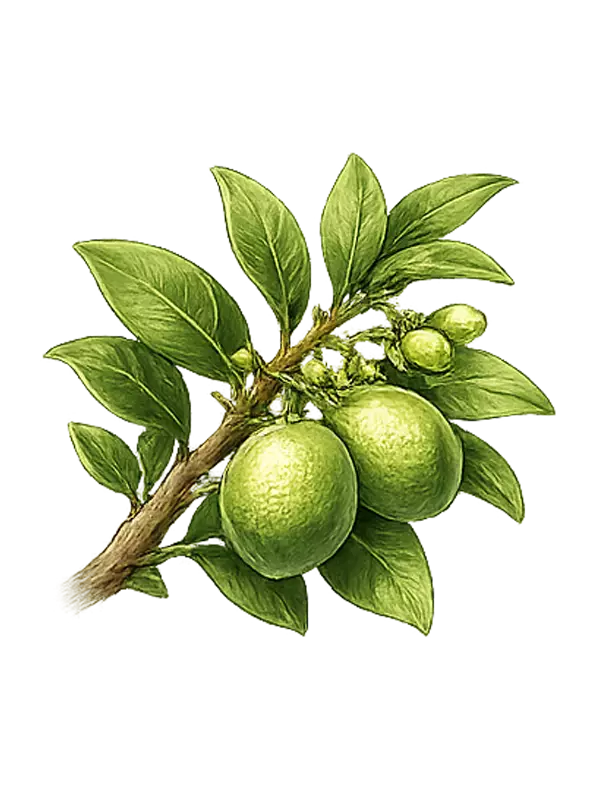
A practical nutrition guide for citrus orchards from spring growth through harvest. This program focuses on fruit set, balanced nutrition, fruit sizing and quality improvement under typical citrus-growing conditions.
Common Challenges
Iron Deficiency
Common in calcareous soils and often associated with leaf chlorosis, reduced growth and lower productivity.
Zinc Deficiency
May result in smaller leaves, restricted shoot growth and reduced fruit development.
Flower and Fruit Drop
Nutritional imbalances and environmental stress can increase flower and fruit drop.
Poor Fruit Size and Quality
Insufficient potassium and unbalanced nutrition may reduce fruit size, appearance and market quality.
Key Growth Stages
These recommendations are intended as general guidance. Soil conditions, irrigation water quality, climate, cultivar and management practices may influence nutritional requirements.
Bud Swell & Spring Flush
Why It Matters
This stage initiates new vegetative growth and prepares the tree for flowering and fruit production later in the season.
Key Practices
Supply zinc and boron
Provide available phosphorus
Correct micronutrient deficiencies
Support vigorous spring growth
Recommended Products
Zinc & Boron
650,000IRT
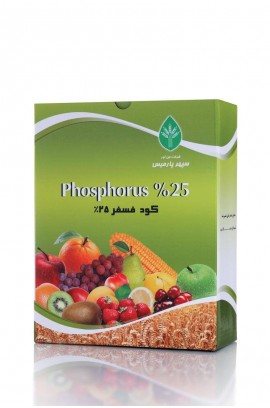
Phosphorus Complex 25%
980,000IRT
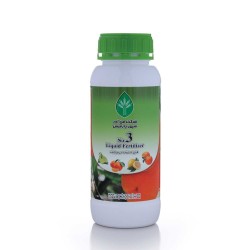
Citrus Fertilizer
510,000IRT
Fruit Set & Early Fruit Development
Why It Matters
Fruit number is largely determined during this stage and early fruit growth begins.
Key Practices
Provide balanced nitrogen nutrition
Supply early-season potassium
Maintain photosynthetic activity
Correct iron and zinc deficiencies
Recommended Products
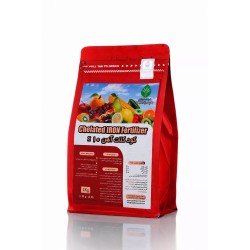
Iron Chelate 10%
920,000IRT
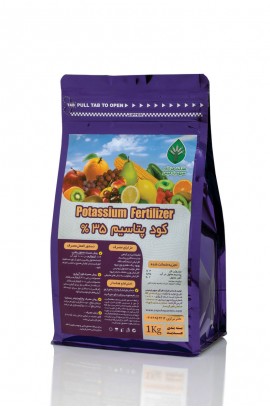
Potassium Complex 35%
800,000IRT
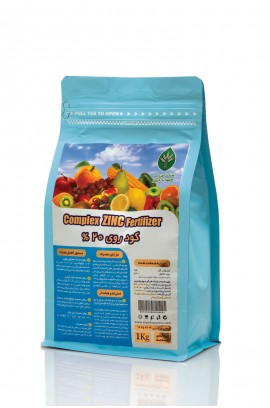
Zinc Complex 20%
930,000IRT
Fruit Enlargement
Why It Matters
A significant portion of final fruit size and weight develops during this stage, increasing nutrient demand.
Key Practices
Increase potassium supply
Maintain adequate magnesium nutrition
Minimize nutritional stress
Preserve healthy leaf function
Recommended Products
Potassium Complex 35%
800,000IRT
Magnesium Chelate 7%
760,000IRT
Calcium Complex
650,000IRT
Fruit Quality & Pre-Harvest
Why It Matters
Fruit quality, color, firmness, appearance and marketability are strongly influenced during the final stages before harvest.