Date Palm Nutrition Program

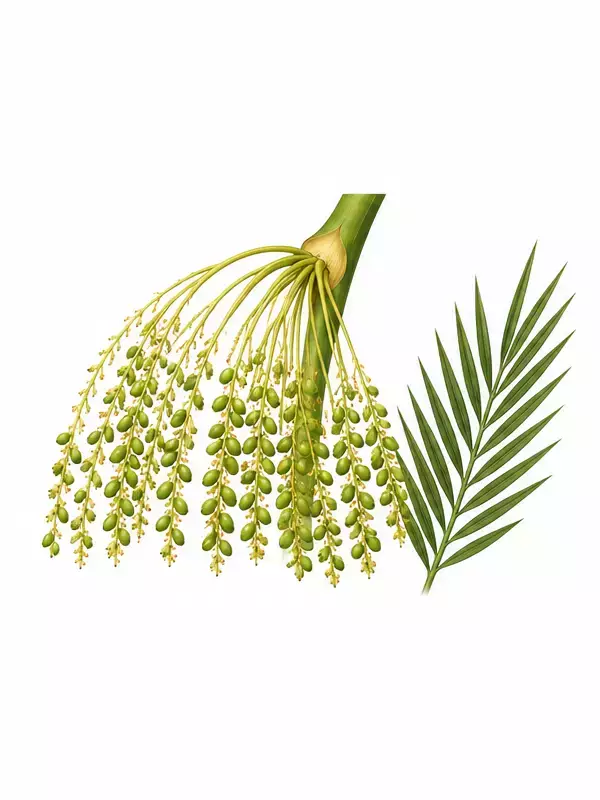
A practical nutrition guide for date palm production from pollination through harvest. This program focuses on fruit set, fruit development, crop quality and balanced nutrition under typical date-growing conditions.

Common Challenges

Poor Fruit Set

Insufficient nutrient availability during early growth stages may reduce fruit set and final yield.

Young Fruit Drop

Nutritional stress and nutrient imbalances may increase fruit drop following fruit set.

Small Fruit Size

Potassium deficiency and inadequate nutrition during fruit development may limit fruit size and weight.

Reduced Fruit Quality

Insufficient nutrition during the final stages of growth may affect fruit uniformity, appearance and market value.

Key Growth Stages

These recommendations are intended as general guidance. Soil conditions, irrigation water quality, climate, cultivar and management practices may influence nutritional requirements.

Pollination & Fruit Set

Pollination & Fruit Set
Why It Matters

Fruit number is largely determined during this stage. Proper nutrition supports fruit set, reduces early fruit drop and helps establish yield potential.

Key Practices

Early Fruit Development

Early Fruit Development
Why It Matters

Following fruit set, early fruit growth begins and crop establishment becomes increasingly important.

Key Practices

Fruit Enlargement

Fruit Enlargement
Why It Matters

A large portion of final fruit weight develops during this stage. Proper nutrition supports fruit size, uniformity and overall crop quality.

Key Practices

Fruit Ripening & Quality

Fruit Ripening & Quality
Why It Matters

During ripening, key quality characteristics such as fruit size, color, uniformity, texture and market value are developed. Balanced nutrition at this stage helps maintain healthy foliage, support carbohydrate movement to the fruit and reduce the impact of late-season stress.
Key Practices