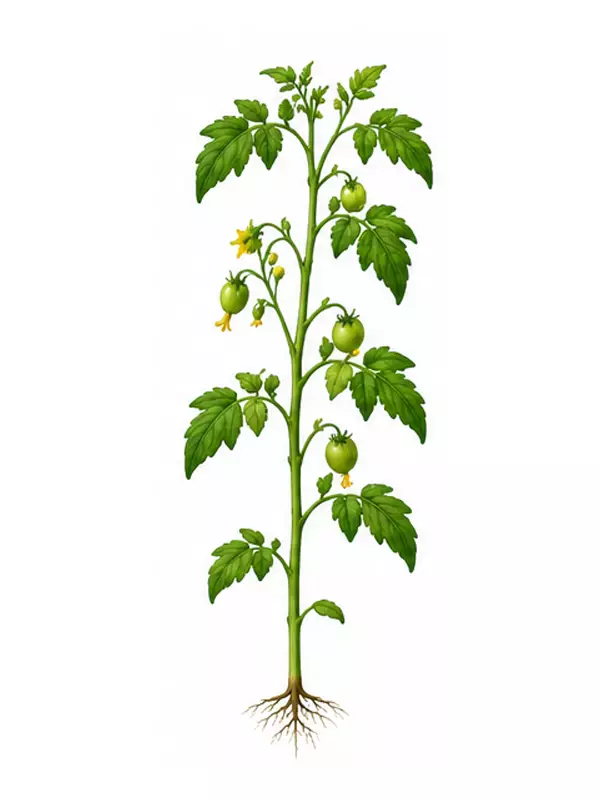
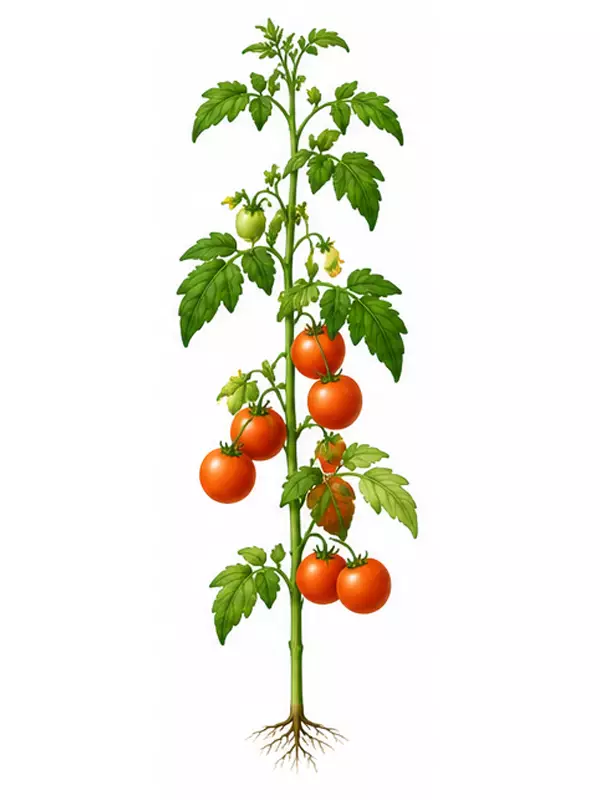
Greenhouse tomato production requires precise nutrition management throughout the growing cycle. Continuous fruit production, extended harvest periods and sensitivity to nutrient imbalances make balanced nutrition essential. Fruit quality, cluster development, yield consistency, shelf life and overall productivity are strongly influenced by nutrient management. In soil-grown, substrate-grown and hydroponic systems, maintaining nutrient balance is often more important than occasional fertilizer applications.
Common Challenges
Calcium Deficiency
One of the most common nutritional disorders in greenhouse tomatoes. Calcium deficiency may contribute to blossom-end rot, reduced fruit quality and lower marketability.
Potassium Deficiency
May reduce fruit size, color development, quality and shelf life.
Excessive Vegetative Growth
Excess nitrogen can promote excessive leaf and stem growth at the expense of fruit production.
Poor Flowering and Fruit Set
Deficiencies of boron, zinc and other micronutrients may reduce fruit set and yield consistency.
Key Growth Stages
These recommendations are intended as general guidance. Growing media, irrigation water quality, climate, cultivar and management practices may influence nutritional requirements.
Transplant Establishment & Early Growth
Why It Matters
This stage establishes the foundation for the entire production cycle. Strong root development and rapid transplant establishment improve nutrient and water uptake throughout the season.
Key Practices
Provide available phosphorus for rapid root development
Supply essential micronutrients
Manage EC and pH to reduce transplant stress
Promote uniform plant establishment
Recommended Products
Phosphorus Complex 25%
980,000IRT
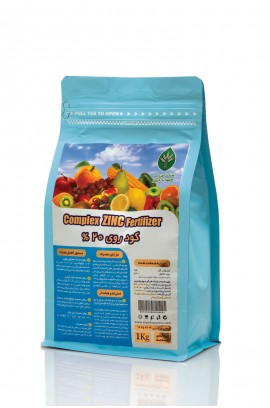
Zinc Complex 20%
930,000IRT
Super Micro 13 Liquid Formula
550,000IRT
Vegetative Growth & Canopy Development
Why It Matters
Leaf area and photosynthetic capacity are established during this stage. Nutrition should support vigorous growth while maintaining balance between vegetative growth and future fruit production.
Key Practices
Provide balanced nitrogen nutrition
Supply essential micronutrients
Provide magnesium to support photosynthesis
Manage environmental conditions and water quality
Recommended Products
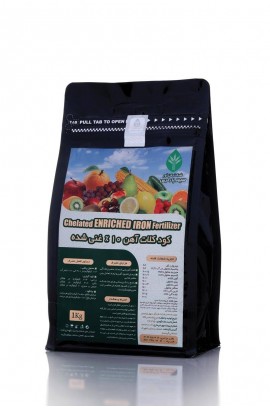
Enriched Iron Chelate 10%
990,000IRT
Liquid Nitrogen
500,000IRT
Magnesium Chelate 7%
760,000IRT
Flowering & Fruit Set
Why It Matters
The number of fruits produced is largely determined during this stage. Nutritional stress may directly reduce yield potential.
Key Practices
Supply boron and zinc to support flowering
Maintain nitrogen-potassium balance
Provide calcium for developing tissues
Reduce salinity and irrigation stress
Recommended Products
Potassium Complex 35%
800,000IRT
Calcium Complex
650,000IRT
Zinc & Boron
650,000IRT
Fruit Development & Sizing
Why It Matters
Final fruit size, yield potential and crop quality are strongly influenced during this stage. Balanced nutrition is essential for consistent production.
Key Practices
Supply potassium for fruit growth and sizing
Provide calcium for fruit firmness
Maintain magnesium for continued photosynthesis
Monitor EC and nutrient balance regularly
Recommended Products
Potassium Complex 35%
800,000IRT
Calcium Complex
650,000IRT
Super Micro 13 Powder Formula
950,000IRT
Ripening, Color Development & Harvest
Why It Matters
Final fruit quality, color, firmness, uniformity and shelf life are determined during the ripening stage.
Key Practices
Increase potassium availability to improve fruit quality
Maintain calcium nutrition to reduce physiological disorders