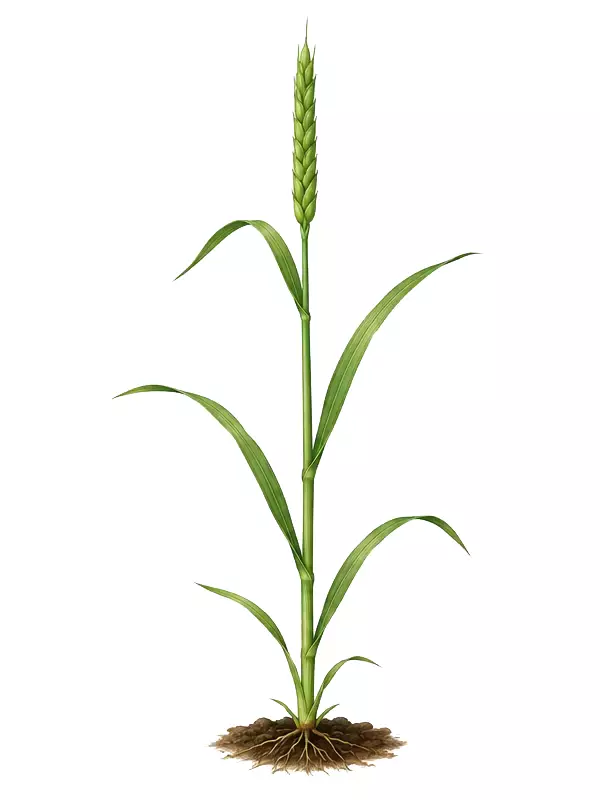
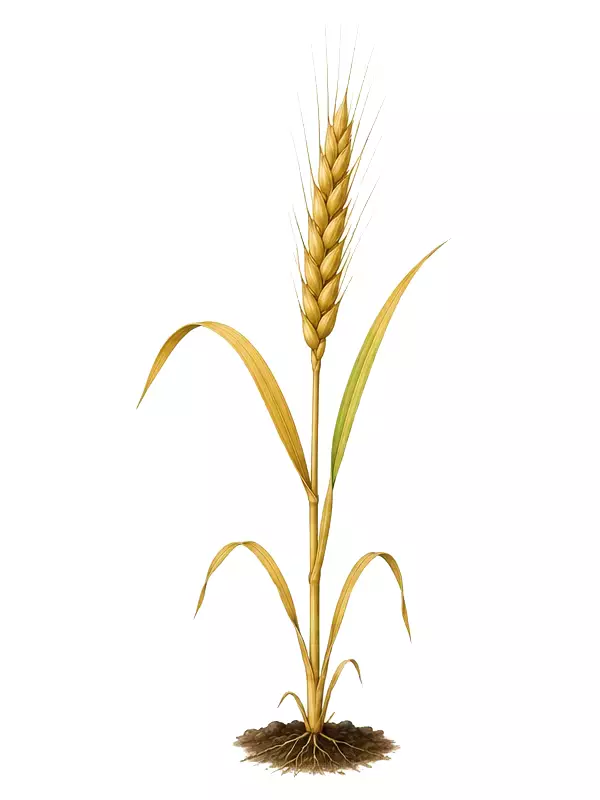
Effective nutrition management plays a critical role in tiller development, grain number, grain weight and final yield. Nutrient deficiencies during early growth stages often have the greatest impact on crop performance. This program outlines the key growth stages of wheat and the main nutritional priorities throughout the season.
Common Challenges
Zinc Deficiency
May reduce early growth, tillering and overall yield potential.
Phosphorus Deficiency
Can limit early establishment and root development.
Nitrogen Deficiency
May reduce vegetative growth, tiller formation and grain production.
Drought Stress
Can restrict nutrient uptake and reduce crop growth.
Key Growth Stages
These recommendations are intended as general guidance. Soil conditions, irrigation water quality, climate, cultivar and management practices may influence nutritional requirements.
Establishment & Tillering
Why It Matters
A significant portion of yield potential is determined during this stage. Effective tillering and root development are essential for achieving strong crop performance.
Key Practices
Provide available phosphorus
Supply zinc
Support root development
Provide early-season nitrogen
Under irrigated conditions, phosphorus and zinc applications often provide strong economic returns.
Under rainfed conditions, phosphorus and zinc applied at planting become even more important.
Recommended Products
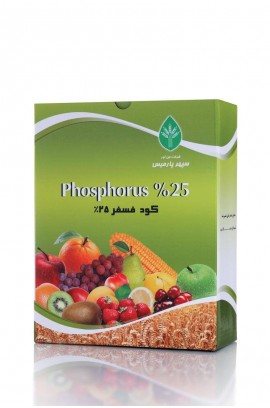
Phosphorus Complex 25%
980,000IRT
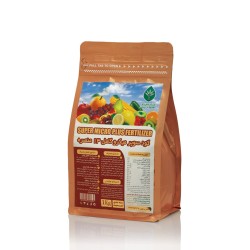
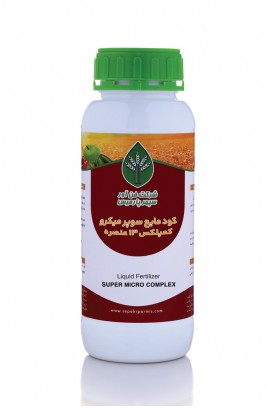
Super Micro 13 Powder Formula
950,000IRT
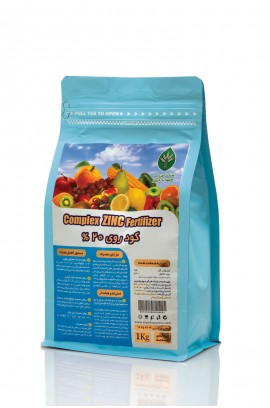
Zinc Complex 20%
930,000IRT
Stem Elongation
Why It Matters
Nutrient demand increases rapidly during this stage as vegetative growth accelerates.
Key Practices
Supply nitrogen
Correct micronutrient deficiencies
Maintain healthy leaf area
Reduce nutritional stress
Under irrigated conditions, supplemental nutrition can provide strong crop responses.
Under rainfed conditions, nutrient management should be adjusted according to available soil moisture.
Recommended Products
Liquid Nitrogen
500,000IRT
Super Micro 13 Liquid Formula
550,000IRT
Magnesium Chelate 7%
760,000IRT
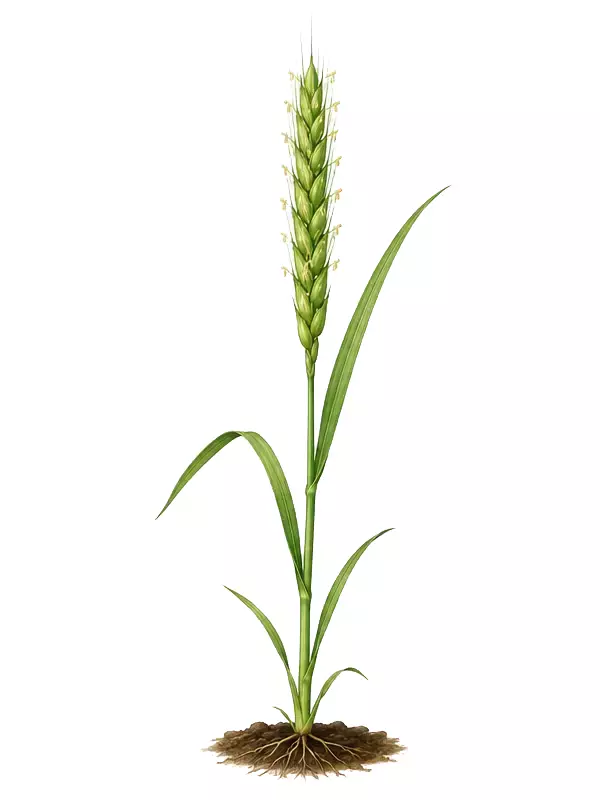
Heading & Flowering
Why It Matters
The number of grains that can develop within each head is largely determined during this stage. Nutritional stress may reduce yield potential.
Key Practices
Provide supplemental nitrogen
Supply essential micronutrients
Maintain photosynthetic activity
Reduce environmental stress
Under irrigated conditions, supplemental nutrition may significantly improve productivity.
Under rainfed conditions, maintaining healthy foliage and reducing stress become higher priorities.
Recommended Products
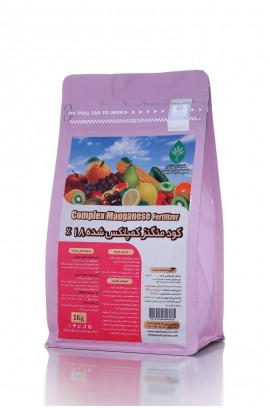
Manganese Complex 18%
900,000IRT
Wheat & Barley Fertilizer
540,000IRT
Liquid Amino Acid
900,000IRT
Grain Filling
Why It Matters
Grain weight and a large portion of final yield are determined during this stage.
Key Practices
Maintain flag leaf health
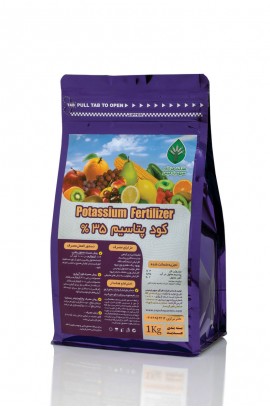
Supply potassium
Support carbohydrate movement to developing grains
Reduce heat and drought stress
Under irrigated conditions, potassium may help maintain grain quality and grain weight.
Under rainfed conditions, preserving green leaf area until maturity becomes the primary objective.