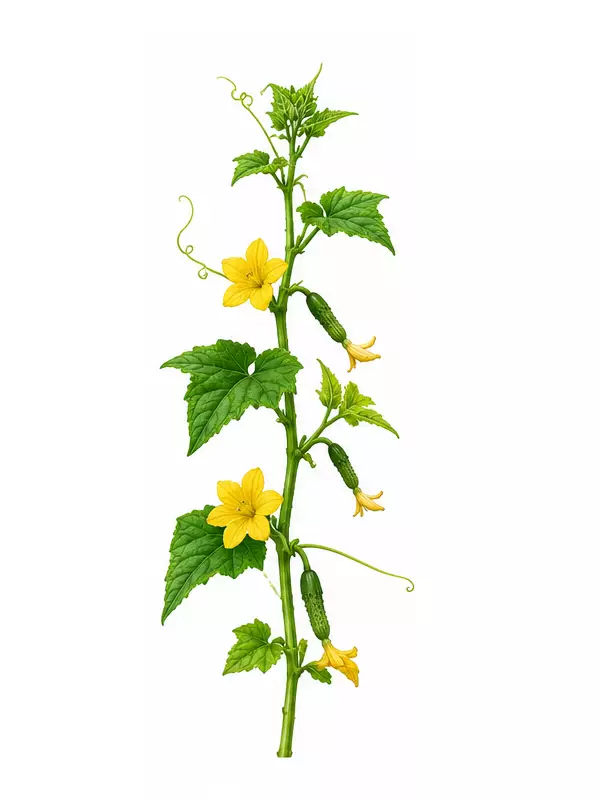
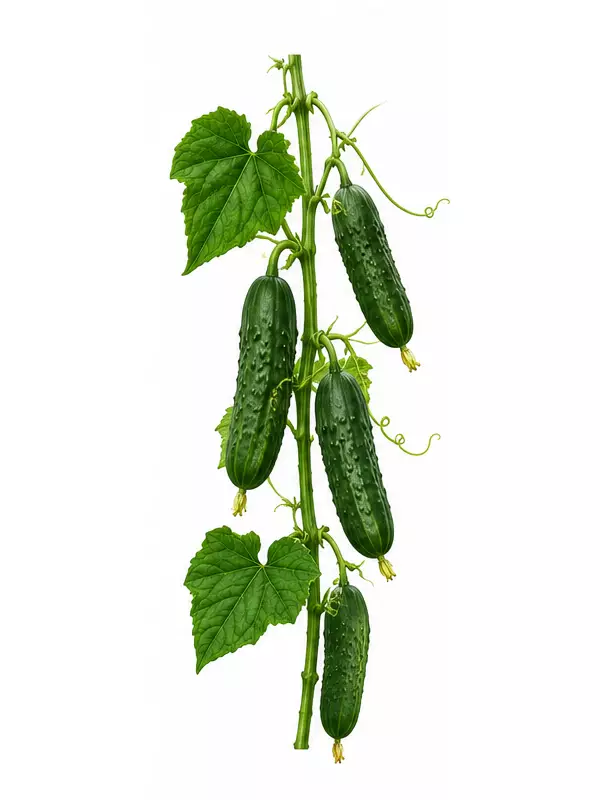
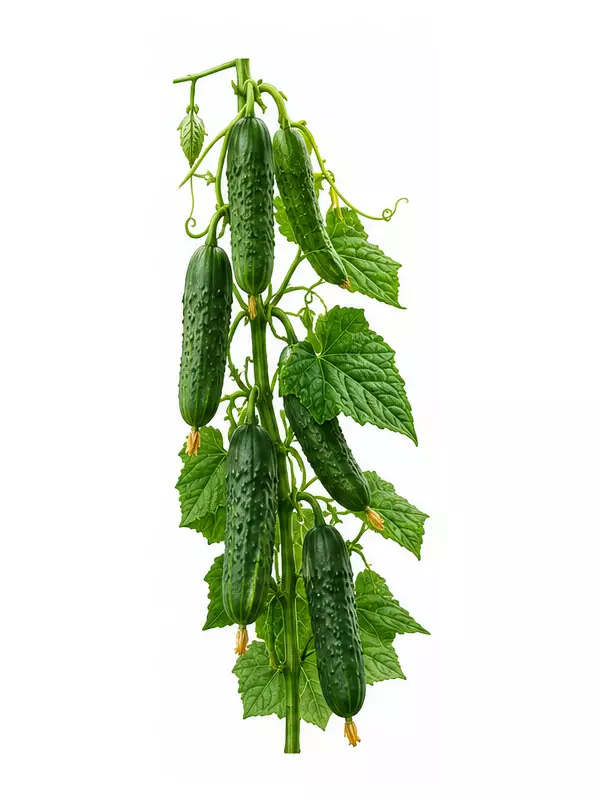
Balanced nutrition is essential for greenhouse cucumber production. Nutrient management should be adjusted according to continuous crop growth, extended harvesting periods, water quality, salinity levels and the cultivation system used. Whether grown in soil, cocopeat, perlite or hydroponic systems, maintaining nutrient balance is critical for plant growth, flowering, fruit set, fruit quality and sustained productivity.
Common Challenges
Excessive Vegetative Growth
Excess nitrogen may stimulate excessive leaf growth and reduce the balance between vegetative and reproductive development.
Poor Flowering and Fruit Set
Insufficient boron, zinc and micronutrients may reduce fruit set and production uniformity.
Calcium Deficiency
May affect fruit quality, growing points and shelf life.
Potassium Deficiency
May reduce fruit size, quality, uniformity and marketability.
Key Growth Stages
These recommendations are intended as general guidance. Growing media, irrigation water quality, climate, cultivar and management practices may influence nutritional requirements.
Transplant Establishment & Early Growth
Why It Matters
Rapid transplant establishment, root development and uniform early growth are the primary objectives during this stage. Nutritional limitations at this point may affect crop performance throughout the production cycle.
Key Practices
Provide available phosphorus for root development
Supply essential micronutrients
Manage EC and water quality to minimize early stress
Promote balanced growth without excessive vegetative development
Recommended Products
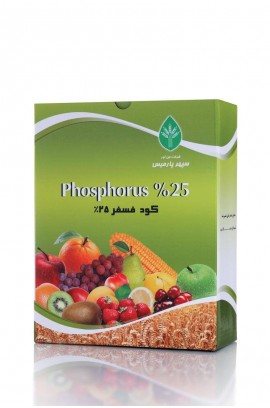
Phosphorus Complex 25%
980,000IRT
Super Micro 13 Liquid Formula
505,000IRT
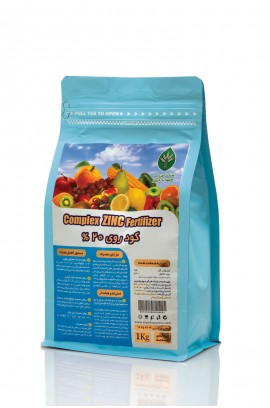
Zinc Complex 20%
850,000IRT
Vegetative Growth & Pre-Flowering
Why It Matters
Leaf area development, canopy formation and photosynthetic capacity are established during this stage. Nutrition should support vigorous growth while maintaining balance between vegetative and reproductive growth.
Key Practices
Provide balanced nitrogen nutrition
Supply essential micronutrients
Provide magnesium to support photosynthesis
Manage irrigation and EC to maintain stable growth
Recommended Products
Liquid Nitrogen
470,000IRT
Magnesium Chelate 7%
560,000IRT
Cucumber Fertilizer
0IRT
Flowering & Fruit Set
Why It Matters
Flower development, fruit set and early fruit growth occur during this stage. Nutritional imbalances may increase flower abortion, fruit deformities and yield losses.
Key Practices
Supply boron and micronutrients
Maintain nitrogen-potassium balance
Provide calcium for developing tissues
Reduce salinity and irrigation stress
Recommended Products
Potassium Complex 35%
770,000IRT
Zinc & Boron
600,000IRT
Calcium Complex
560,000IRT
Fruit Development & Continuous Harvest
Why It Matters
During harvest periods, plants simultaneously produce new leaves, flowers and fruits. Nutrition must remain balanced and adaptable to harvest intensity.
Key Practices
Supply potassium to improve fruit size and quality
Provide calcium to support fruit firmness
Maintain magnesium for continued photosynthesis
Manage EC and salinity throughout the production cycle
Recommended Products
Potassium Complex 35%
770,000IRT
Calcium Complex
560,000IRT
Magnesium Chelate 7%
560,000IRT
Yield Maintenance & Stress Management
Why It Matters
Long production cycles expose plants to heat stress, salinity, root stress and nutrient imbalances. The goal is to maintain plant activity and minimize production decline.
Key Practices
Maintain potassium, calcium and magnesium balance
Use amino acids during stress periods
Monitor EC, pH and drainage regularly
Correct nutrient deficiencies before yield losses occur